Val Tartano
Between Landscapes and Attractions
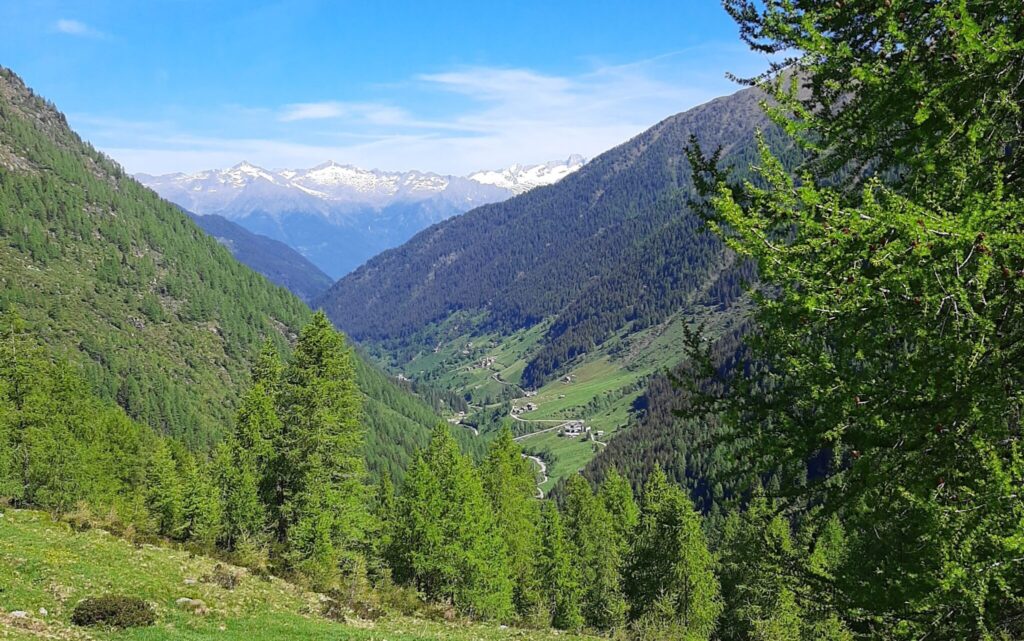
The Val Tartano is located in the province of Sondrio and is one of the largest valleys on the Orobie side, situated in the lower Valtellina. Val Tartano connects with the valley floor near Talamona, just past the viaduct; to reach it, after leaving State Road 38 of the Stelvio, you need to travel along a road that deserves a brief historical mention.
Let’s delve deeper into the discovery of this fascinating alpine valley. The middle-lower part of Val Tartano appears as a deep groove which, at the village of Tartano (at 1,200 meters altitude), opens up and divides into two main branches: to the east lies the Val Lunga, home to the distinctive Wood Museum, while to the west opens the Val Corta. The latter further splits near the hamlets of Bagini and Barbera, giving rise to two secondary valleys: the Val di Lemma to the east, famous for the giants’ kettles, striking cavities carved into the rock by the erosive action of water and debris during the glacial era, and the Val Bùdria to the west.
The names of these valleys come from the ancient families who first settled there: the “Lunghi”, originating from the Orobie side of the Bergamasca region, and the “Corti”, who arrived later.
Val Tartano is also crossed by numerous pedestrian passes that allow access to the neighboring valleys: Val Madre (in the province of Sondrio), Val Brembana (in the province of Bergamo), and Valle del Bitto (also in the Sondrio area). These routes offer ideal opportunities for hiking enthusiasts, immersed in the extraordinary natural and wildlife environment of the Orobie Valtellinesi Park.
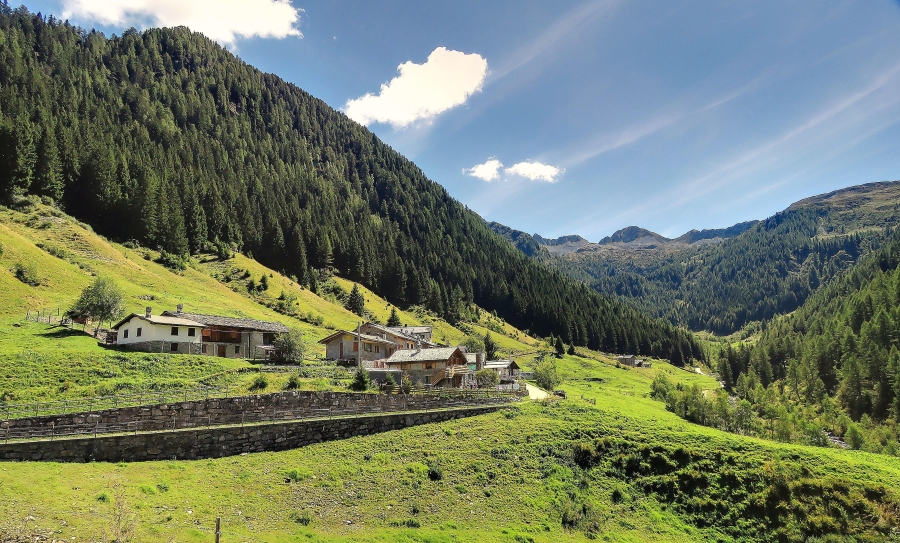
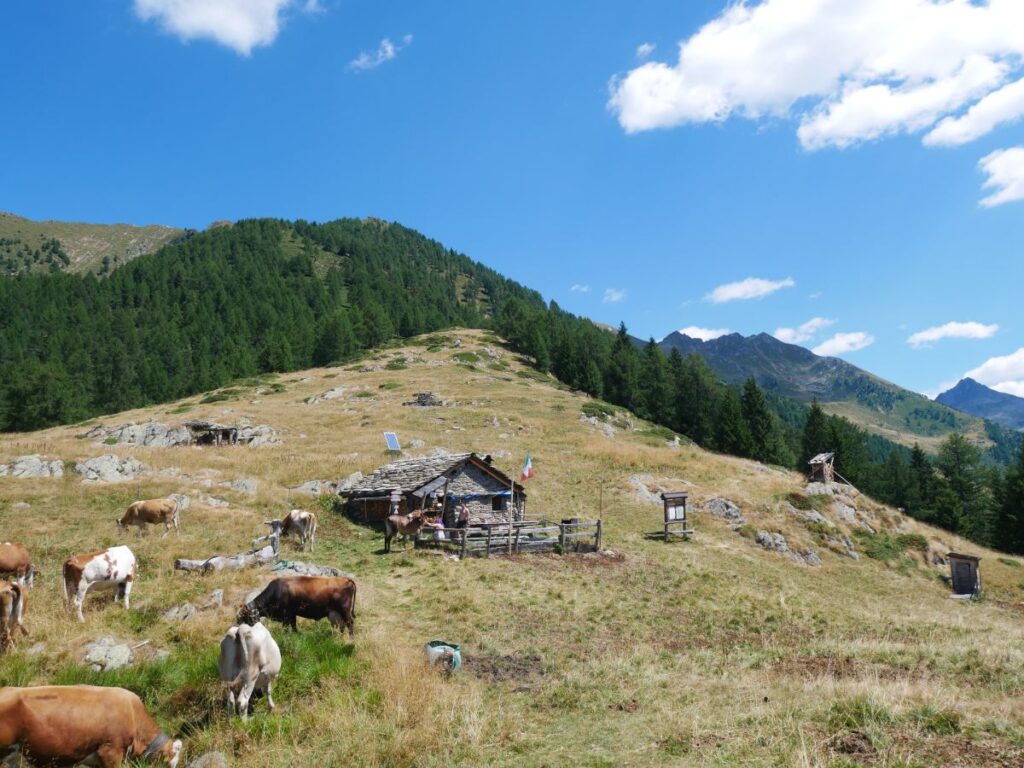
The most important inhabited centers in the valley are Campo Tartano (1,049 m) and Tartano (1,200 m, located about 5 km higher), which is also the administrative heart of the area. Along the valley, you will find numerous hamlets with a picturesque appearance that still preserve the authenticity of alpine rural life. During the summer, many alpine pastures come back to life thanks to the traditional production of the famous Bitto cheese, made according to artisanal methods passed down over time.
What to See and Do in Val Tartano: Experiences and Nature
The Bridge in the Sky: Walking Suspended Between Earth and Sky
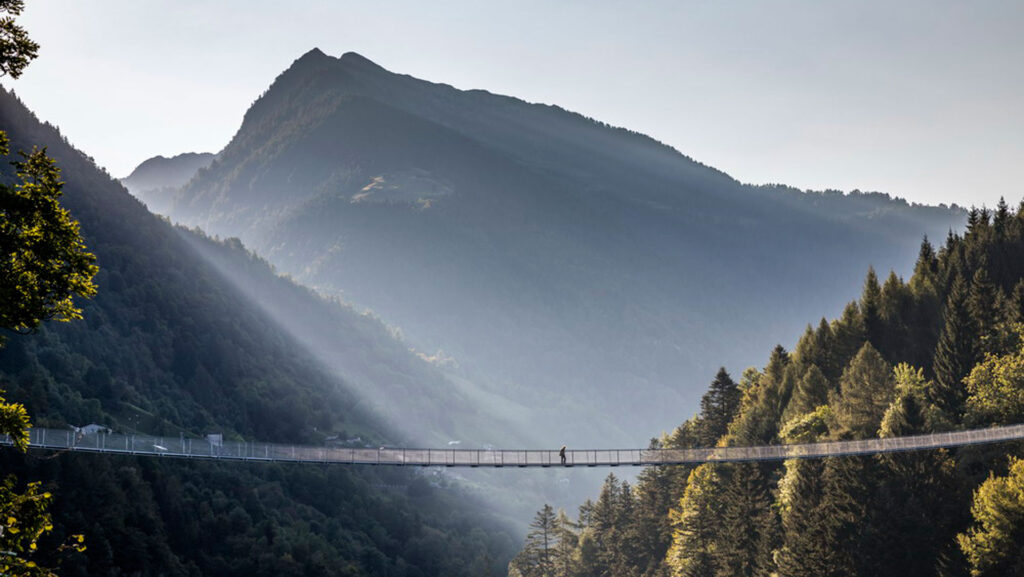
Among the most spectacular attractions of Val Tartano, the Bridge in the Sky undoubtedly stands out, a structure that in just a few years has become a symbol of the valley and one of the most photographed destinations in Valtellina.
It is a pedestrian Tibetan bridge made entirely of steel, measuring an impressive 234 meters in length and suspended at 140 meters high above the Tartano stream valley. It connects the small village of Campo Tartano (1,049 meters above sea level) with the summer mountain pastures of Frasnino, once frequented during the summer season for grazing and now also enhanced for tourism.
Walking on the Bridge in the Sky is a unique, thrilling yet safe experience accessible to everyone: families, couples, hikers, and curious visitors alike. Crossing the walkway offers breathtaking views of the valley floor, the peaks of the Orobie Valtellinesi, the surrounding forests, and on clear days, even the distant summits of the Disgrazia group.
The bridge is open year-round (except in adverse weather conditions), but each season offers a different atmosphere: in autumn it is surrounded by the warm colors of the foliage, in winter it stands quietly among snowy landscapes, in spring it overlooks blooming pastures, and in summer it becomes a perfect stop for a family hike.
Curiosities:
The Bridge in the Sky is currently one of the highest Tibetan bridges in Europe open to the public without harnesses. The structure was inaugurated in 2018 thanks to a project by the local association “Un Ponte nel Cielo,” with the goal of boosting tourism in the valley and enhancing its natural and cultural resources.
Useful Tips for Your Visit:
It is recommended to purchase tickets online, especially on weekends or during holiday periods.
Access to the bridge is regulated by specific visiting hours and visitor flows.
It is possible to combine the visit with a walk to the summer pastures of Frasnino, where there are picnic areas and scenic viewpoints ideal for a break.
Trekking and Hikes for Everyone
Trekking enthusiasts will find a true paradise in Val Tartano. Well-marked trails wind through forests, alpine pastures, and panoramic ridges. Some recommended hikes include:
- Rifugio Tartaglione-Crispo: a classic hike with breathtaking views.
- Val di Lemma: a scenic route leading to the famous giant’s kettles, rock formations carved by ancient glaciers.
- Giro delle Contrade: an easy and picturesque route through the traditional villages of the valley.
For more experienced hikers, there are also multi-day itineraries connecting Val Tartano with Val Brembana, Val Madre, and Valle del Bitto.
During winter, the valley transforms into an enchanted world, ideal for:
- Snowshoe hikes through snowy forests and quiet alpine pastures
- Backcountry skiing on less frequented but highly scenic routes
- Nature photography: deer, ibex, golden eagles, and postcard-perfect landscapes
An oasis of peace far from mass tourism.
Alpine villages and traditions
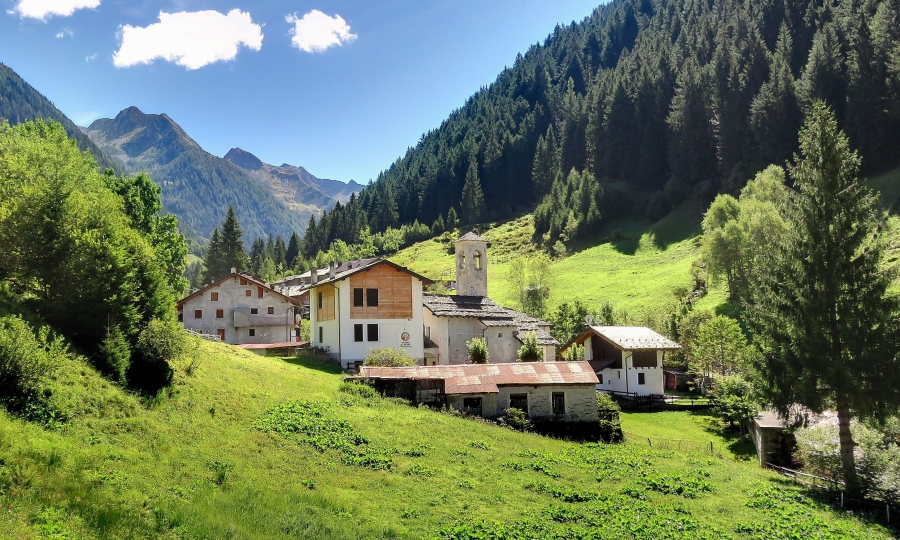
Walking through the historic hamlets such as Tartano, Campo, Barbera, and Bagini, you can still breathe the authentic atmosphere of the Valtellina mountains. Stone houses, stone slab roofs, barns, and haylofts tell the story of centuries of rural life.
A visit to the Wood Museum in Val Lunga is not to be missed, where ancient tools and objects of rural culture are preserved.
The local and authentic flavors of Val Tartano:
Visiting Val Tartano also means immersing yourself in an ancient gastronomic culture, tied to the land, the work in the alpine pastures, and the simplicity of rural tradition. The undisputed protagonist is the Bitto cheese, produced in the high-altitude pastures during the summer, following traditional methods passed down through generations. Its intense and aromatic flavor tells the story of the pasture herbs and the skill of the local cheesemakers.
Alongside Bitto, there is the Valtellina Casera, softer and sweeter, often featured in traditional dishes such as pizzoccheri, polenta taragna, or taroz. Each dish, prepared with local and genuine ingredients, represents a part of the valley’s identity: polenta enriched with butter and melted cheese, crispy sciatt served with chicory, and game dishes accompanied by seasonal side dishes.
Cured meats are also abundant, especially the Bresaola della Valtellina IGP, light yet rich in flavor, ideal for a simple and nutritious meal. During the colder months, the cuisine becomes even more rustic and hearty, perfect after a walk or a snowshoe hike through the snowy woods.
Finally, the valley also holds a quiet sweetness, made of homemade cakes, artisanal jams, and alpine liqueurs. Often prepared with wild berries and foraged herbs. Tasting these flavors in local farmhouses is a way to connect with the authentic soul of the mountains.
Why choose Val Tartano?
Choosing Val Tartano means leaving behind the rush of everyday life and rediscovering the value of silence, unspoiled nature, and authentic traditions. It’s the perfect destination for those who love walking through the woods, breathing clean air, savoring genuine food, and experiencing the mountains with respect and wonder. Here, every season has something to offer: the warm colors of autumn, the stillness of winter, the awakening of spring, and the vitality of the alpine summer.
Val Tartano offers genuine experiences, far from the routes of mass tourism. It’s a place to be lived slowly, with curious eyes and an open heart.
If you’re looking for a place where nature, authenticity, and hospitality come together, Val Tartano is waiting for you.
Other news